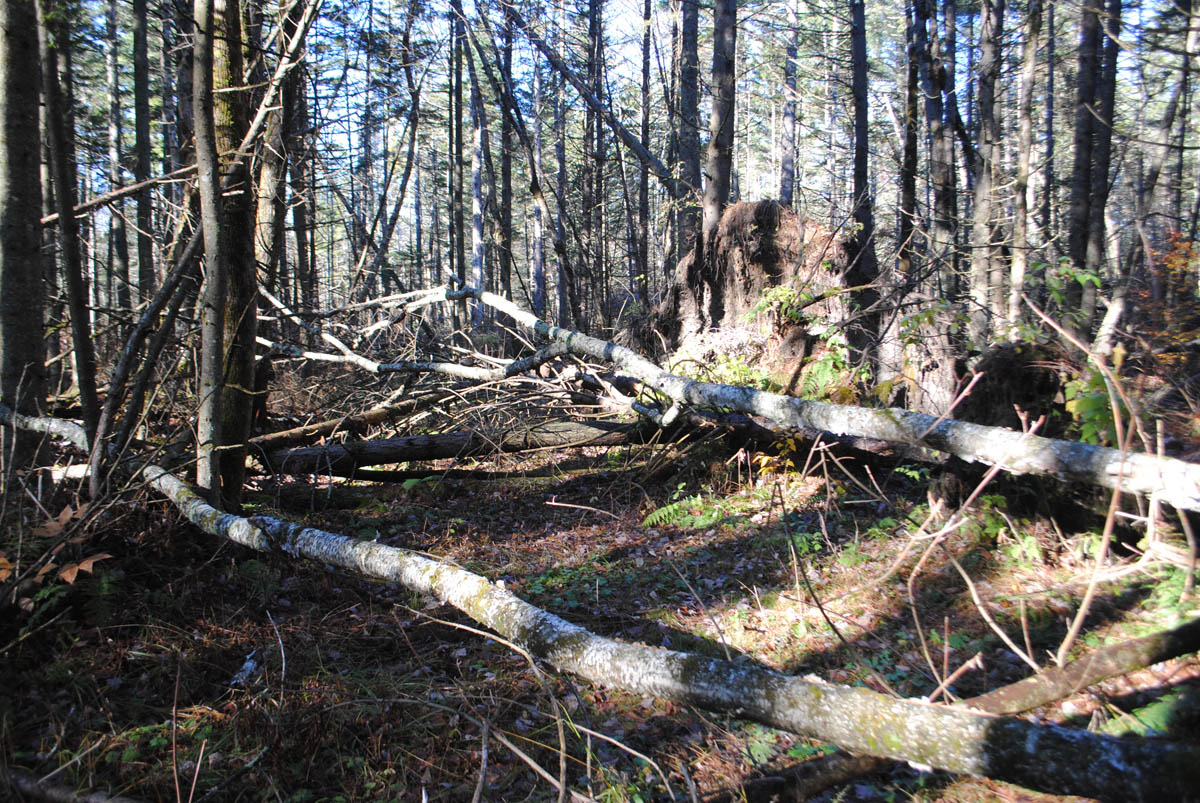
by David Brynn In late October of 2017, a strong storm out of the southeast blew over hundreds of trees across Lincoln. VFF’s three Lincoln properties were impacted in varying degrees. Our conservation easement with the Northeast Wilderness Trust makes it clear that there is to be minimal human interference with the processes by which our conserved Lincoln and Bristol …
Sweet Harmonies of Woodwinds in the Middle Barn
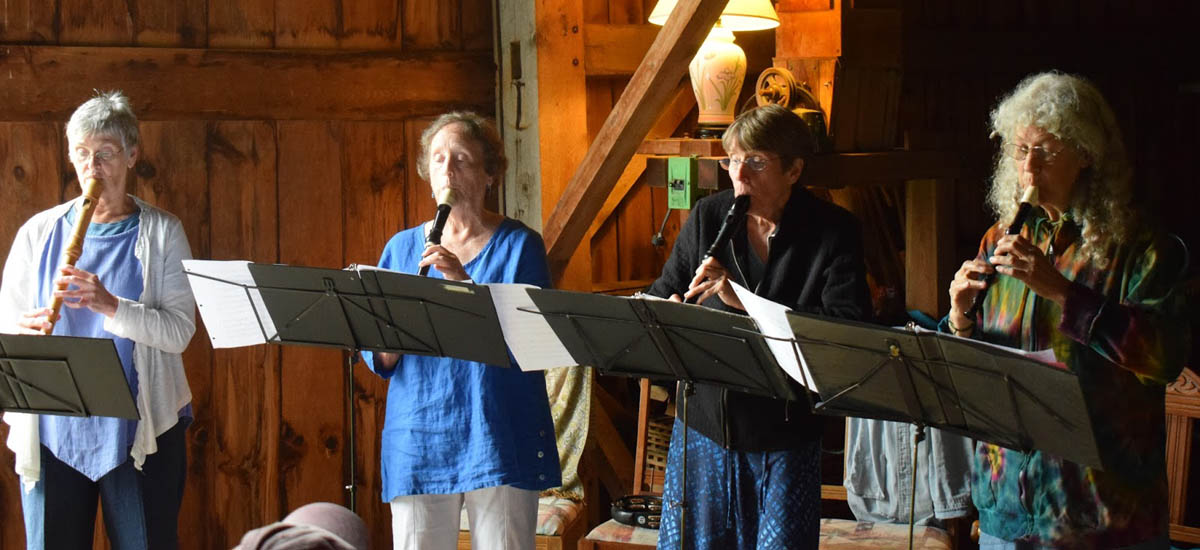
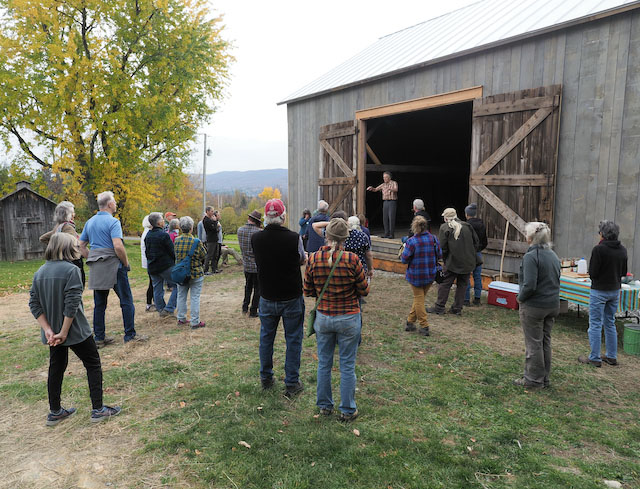
People weren’t the only ones charmed by the cadences of the Full Circle Recorder ensemble at our recent eighth annual Woodwinds in the Middle Barn. As the five musicians stood before the open barn doors and began “A Tune for the East India Nightingale,” a Baltimore Oriole–the first we’ve spotted at Wells Farm this year–swooped toward them from the garden. Dazzling in …
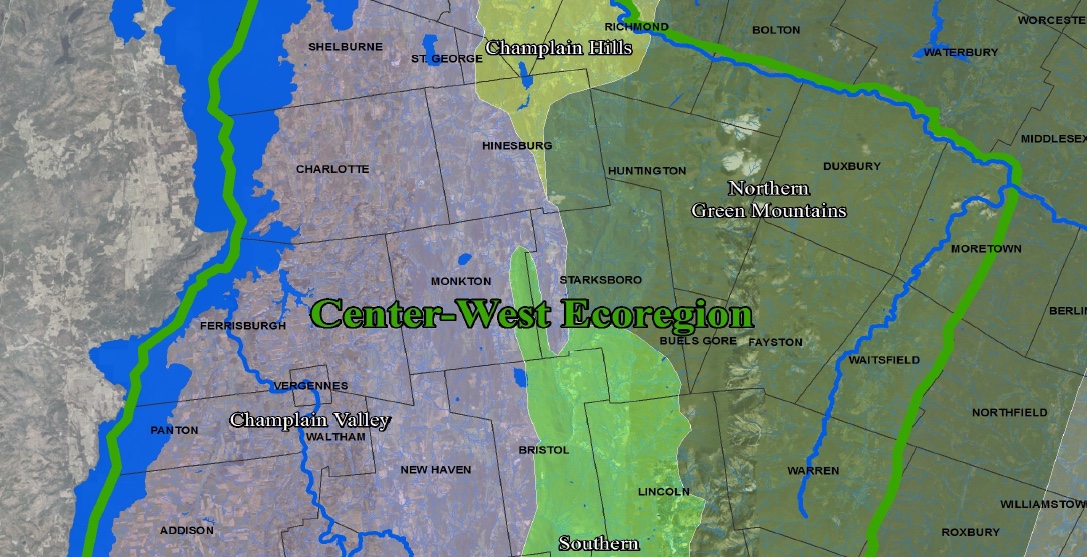
Vermont’s Center-West Ecoregion, A Place Called Home
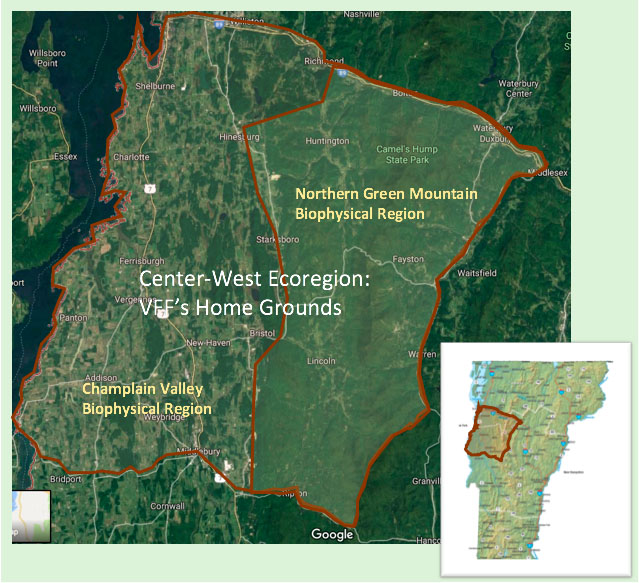
Though Vermont is fairly small, as states go, it still encompasses a whole lot more ground than our little organization can know well and effectively respond to. What are the bounds of home? We’ve been pondering that question lately, spurred on by our involvement in recent conversations about the future of Camel’s Hump State Park. What is emerging as the …
Application Deadline for Bristol-based Vermont Master Naturalist training
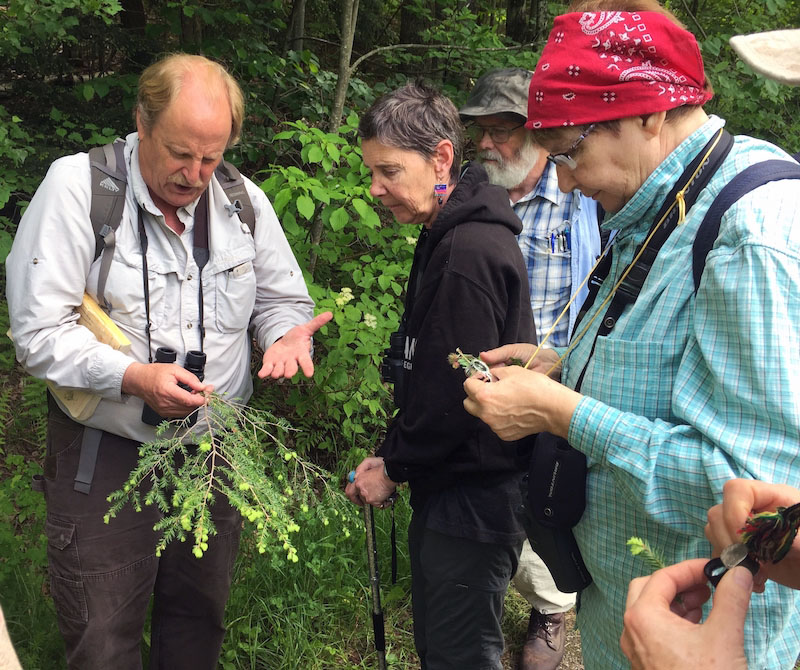
Vermont Master Naturalist Program: “Advancing conservation, building community, connecting Vermonters to the wild heart of place.” Vermont Family Forests aims to cultivate what Aldo Leopold described as “an intense consciousness of land.” That’s why we’re delighted to spread the word about a training program that does just that. The Vermont Master Naturalist Program is currently accepting applications to a Bristol-based training …
Forest Meets Farm: From Hugelkultur to Shiitake Mushrooms
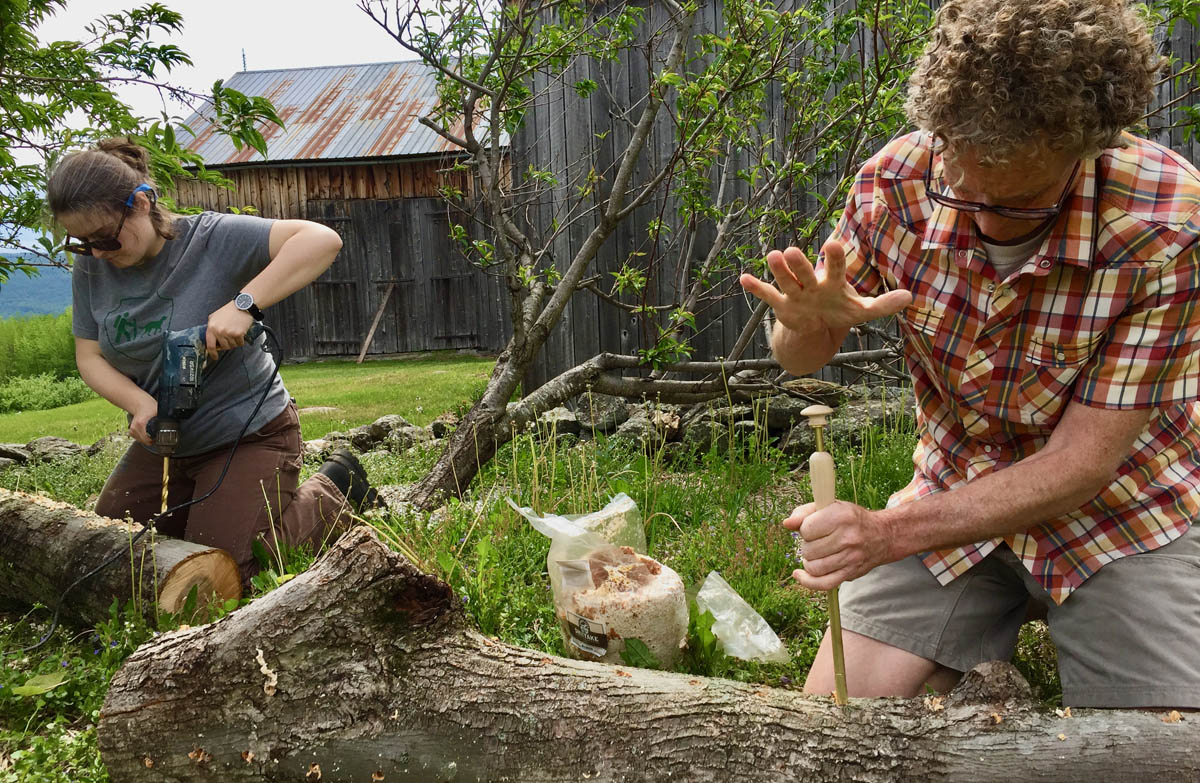
One of the joys of caring for the Anderson lands in Lincoln is the opportunity to explore the intersection of wild forest and cultivated homestead—a rich ecotone indeed. This spring and summer we’ve dipped into three projects within that ecotone: ramial mulch, hugelkultur, and shiitake mushroom cultivation. Though trees are the most visible part of the forest community, their health …
BOOK NOTES: A Critique of Silviculture: Managing for Complexity
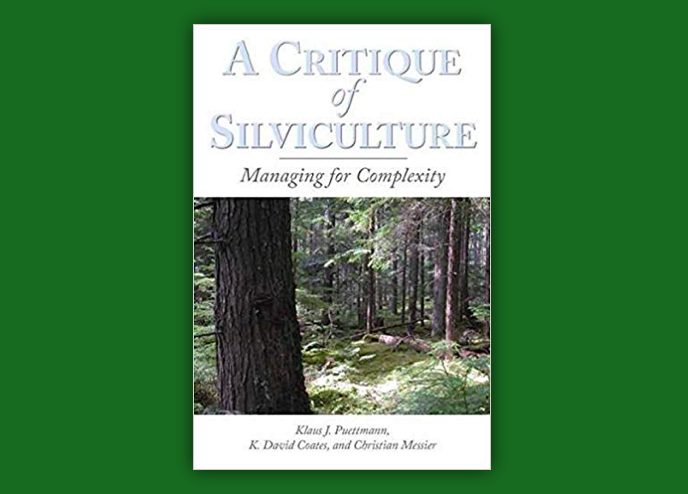
by David Brynn, VFF executive director “Forests are like teenagers…” The 10th edition of The Practice of Silviculture: Applied Forest Ecology was published in late 2017. It has been twenty years since the ninth edition was released and much has changed. In looking through the references in the latest edition, one in particular jumped out at me: A Critique of Silviculture: …
A Day in the Woods with UVM’s Forestry Summer Camp
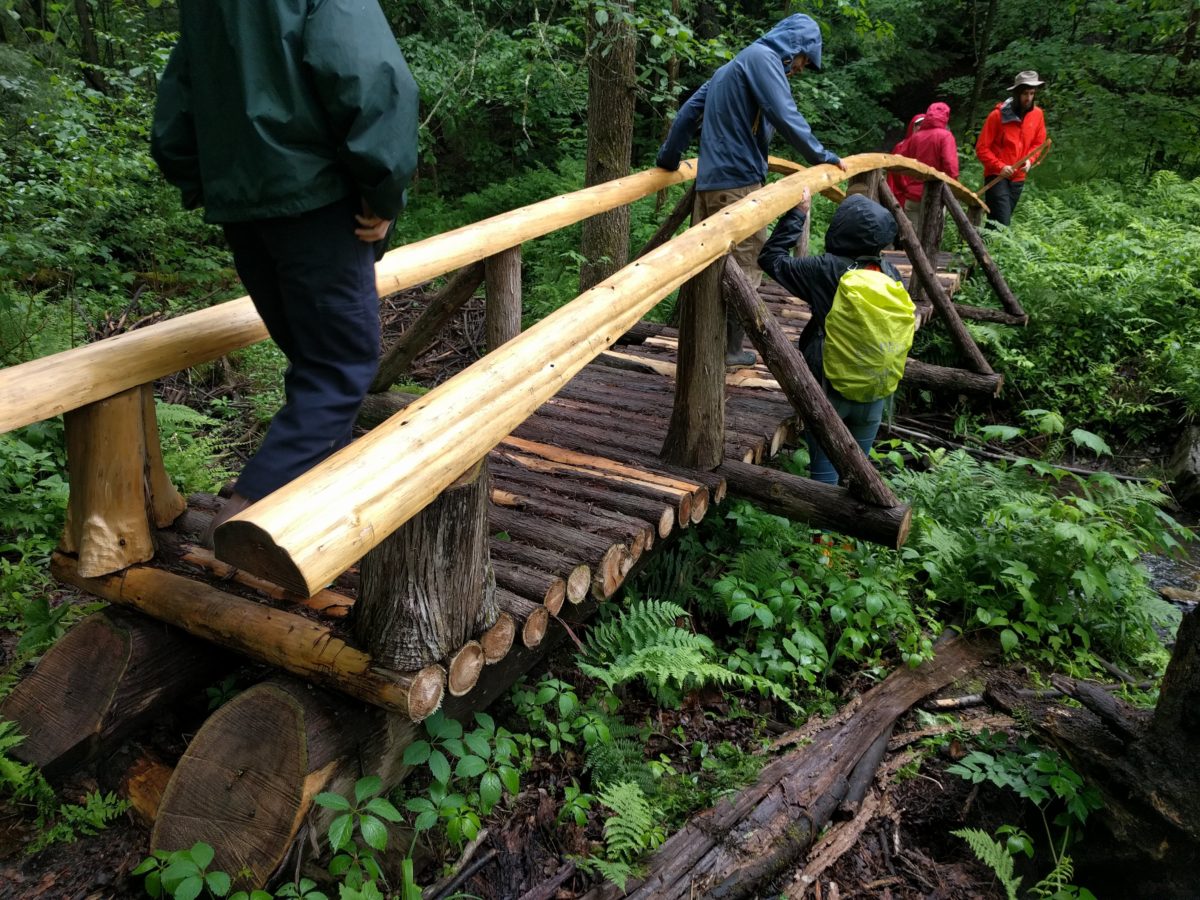
“Without application, principles and ideals have no bearing and no test.” These words by the University of Vermont’s renowned alumnus and educator John Dewey, underpin our work at Vermont Family Forests. For decades, UVM’s forestry program has walked the talk of applied learning in its summer field camp for juniors and first-semester seniors. In early June, VFF’s executive director, David Brynn, spent a day …
Bring on the Wildlife Biodiversity: Tips & Resources for Forest Landowners
Researchers from VFF’s Colby Hill Ecological Project shared tips and resources for monitoring and encouraging forest wildlife biodiversity during our recent What’s Alive in the Forest? workshop for VFF forest landowners. We’ve compiled them in a two-page handout. Download a PDF of Tips and Resources for Monitoring and Encouraging Forest Wildlife Biodiversity Bring on the Wildlife Biodiversity: Tips and Resources …
What’s Alive? Workshop Explores Forest Biodiversity
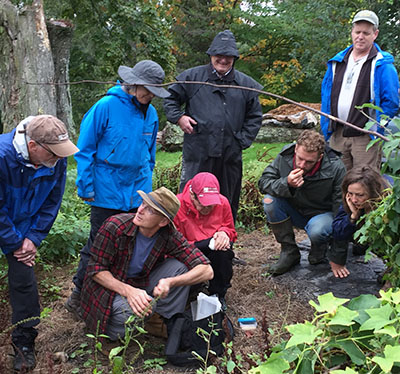
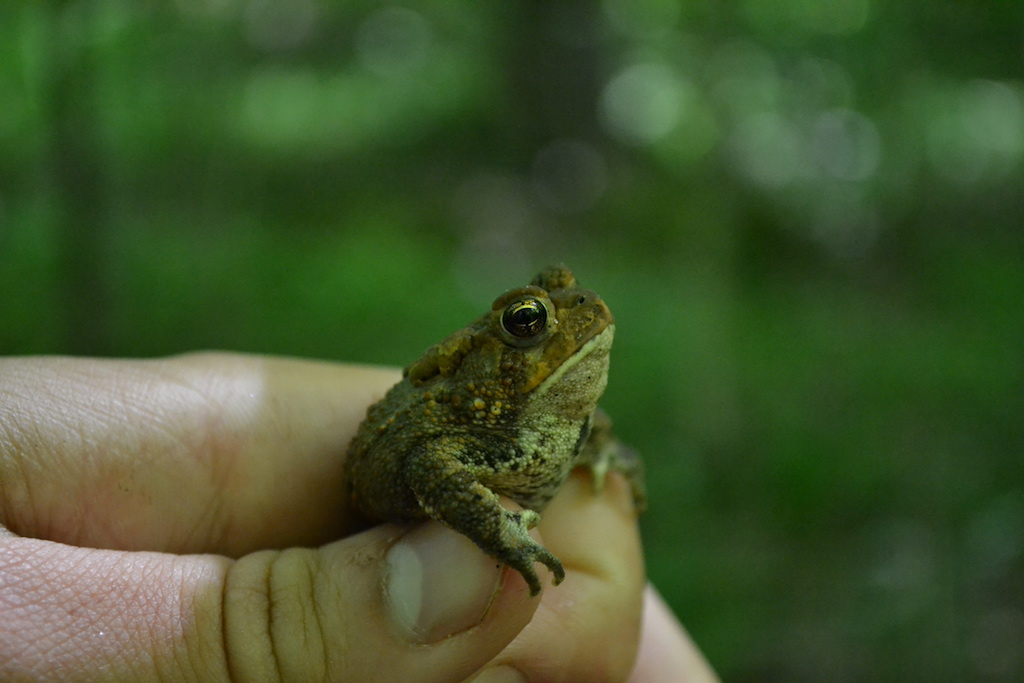
The deer mouse clung tight to the inside of the metal trap, but a firm shake from mammal researcher Nick Tepper loosened his grip, and he dropped into a small laundry bag. Nick scruffed the mouse’s neck through the mesh fabric, careful to avoid the sharp incisors. He held the mouse high as he walked around the circle of landowners …
Exploring Vermont’s Forest Soils (16-hr accredited)
During field studies, students will undertake simple experiments and learn basic field soil examination techniques while studying several different soil types… MORE