Whether you’ve never touched a chainsaw before or have extensive experience, these chainsaw training courses will build safety, skill, and precision.
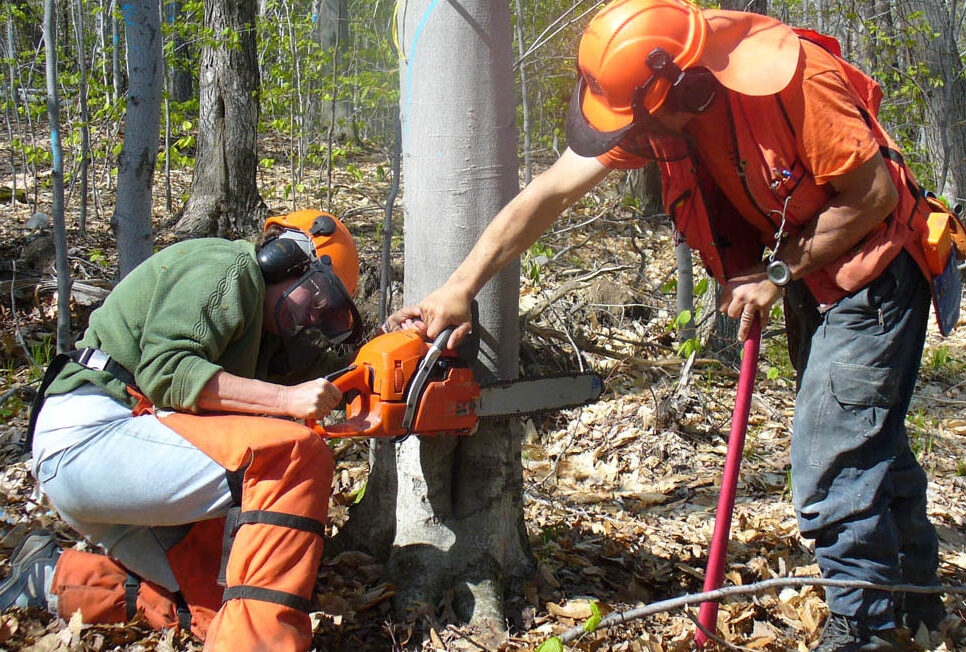
Whether you’ve never touched a chainsaw before or have extensive experience, these chainsaw training courses will build safety, skill, and precision.
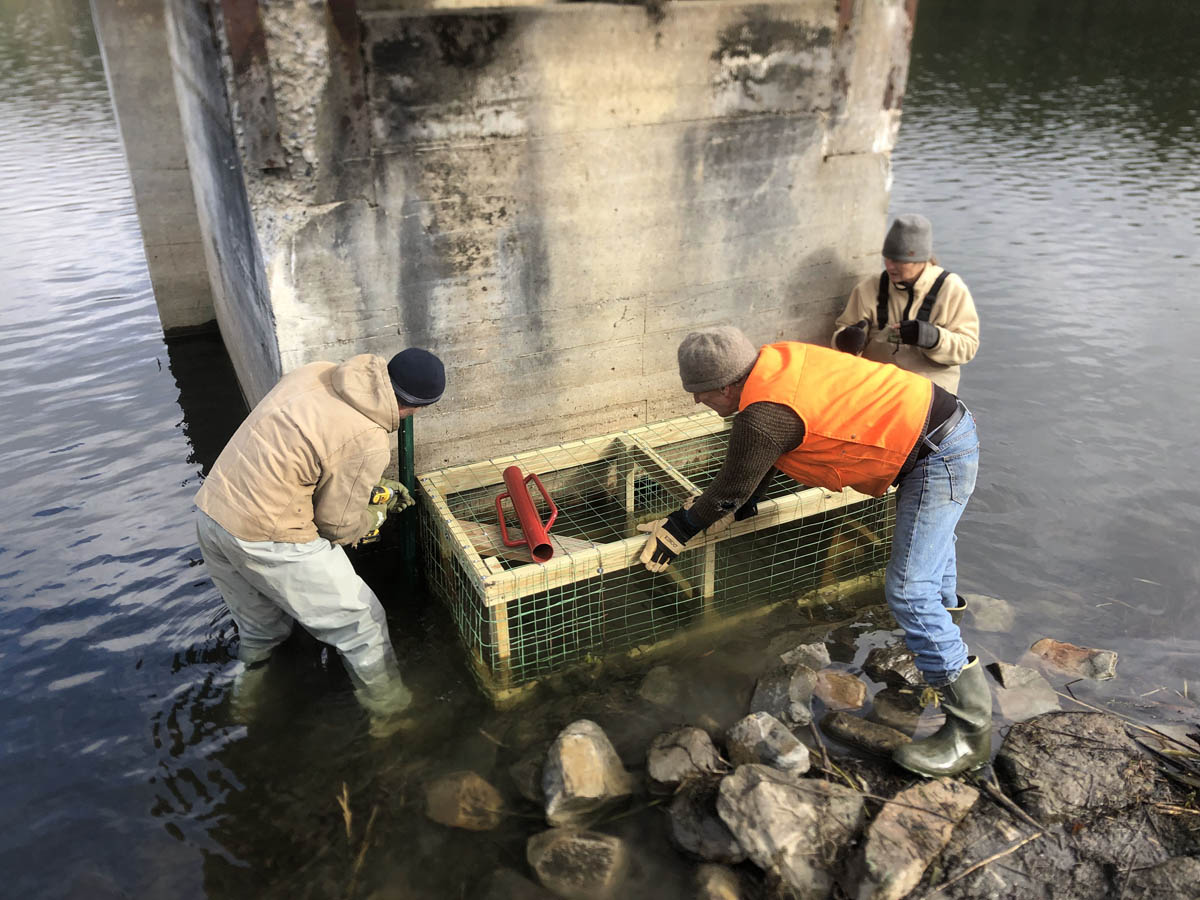
Building a beaver baffle at Norton Brook Reservoir We love beavers. Plain and simple. In this time of rapidly changing climate, Job 1 in our forests is to slow, spread, and sink the flow of storm runoff—to keep water and soil in forests and out of rivers, lakes, and communities. Beavers walk that talk every day, putting their abundant creative …

by Sandra Murphy The cider press rests again in its corner of the farmhouse at Vermont Family Forests’ Wells Farm. Twenty-five gallons of cider—mostly apple, plus a precious few jugs of an ambrosia mix of apple and pear—are stacked in the chest freezer in the Middle Barn, ready to sweeten workshops and events in the coming year. Another five gallons …
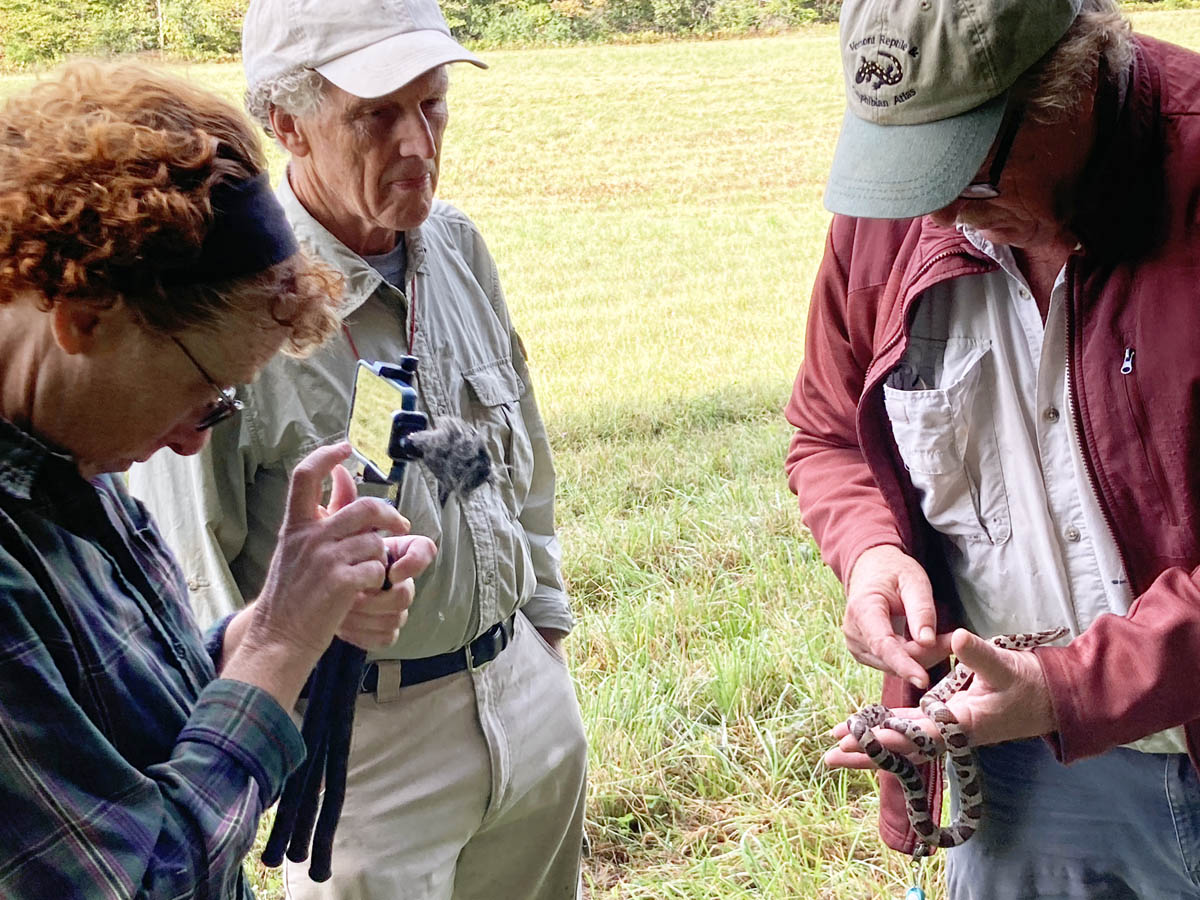
This fall, videographer Jill DeVito joined VFF’s herpetology research team as they conducted one of their weekly snake surveys on VFF land in Lincoln, part of the on-going Colby Hill Ecological Project. Learn more and watch the video below. Quick as a mountain stream, a slender snake whisks across the gray slate toward the cover of tall grasses. But researcher …
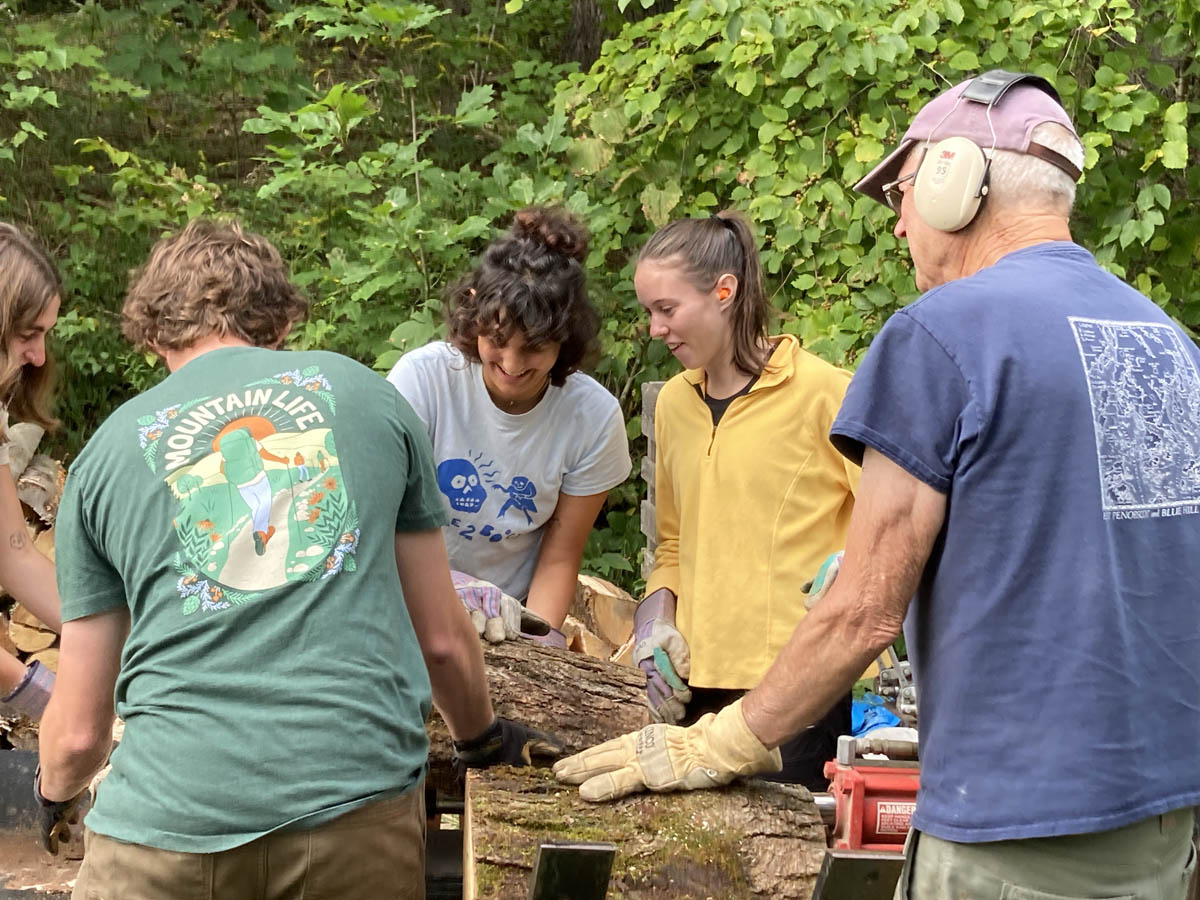
On a recent sunny Friday afternoon, 22 University of Vermont (UVM) students gathered on a grassy log landing at the Little Hogback Community Forest in Monkton. Most were enrolled in Cecilia Danks’ undergraduate Community-based Conservation course. On their first field trip of the semester in this upper-level service learning course, the students were just dipping their feet into the water …
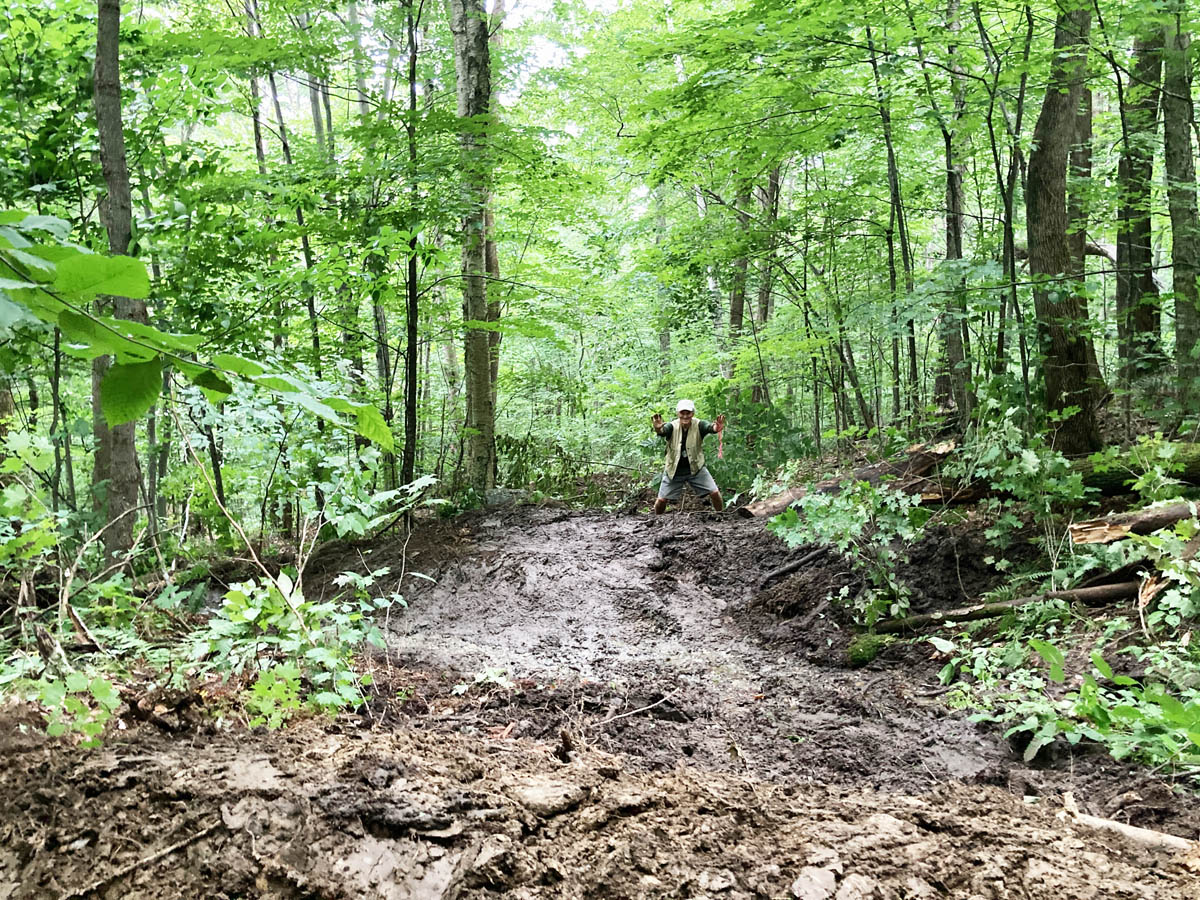
Building Resiliency One Waterbar at a Time As climate change models have predicted, Vermont’s storms this summer have been big, powerful, and frequent. We’re experiencing what that means for our homes and communities, and for our road networks and the waterways that receive the copious runoff and sedimentation when those roads wash out. In Vermont, thousands of miles of forest roads and …
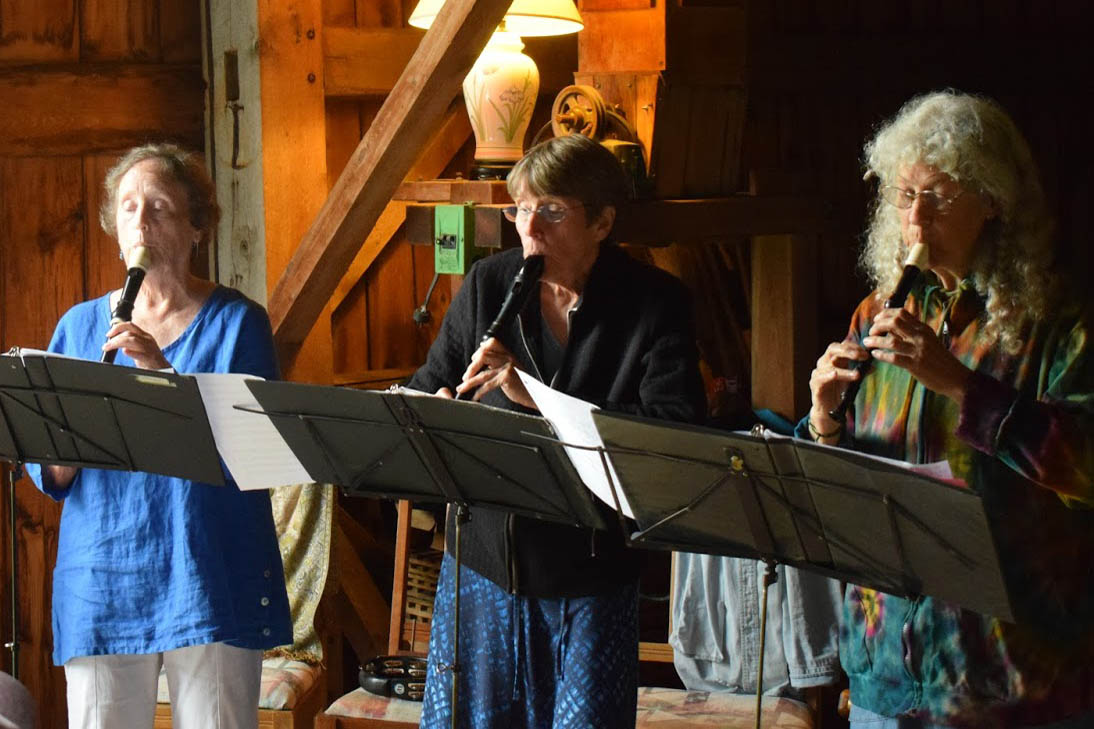
Join us at Vermont Family Forests’ beautiful Wells Farm in Lincoln to savor Celtic music played by the Full Circle Recorder Ensemble.
We’re offering Basic Chainsaw Use & Safety and Game of Logging Level 1 this fall. Sign up soon!
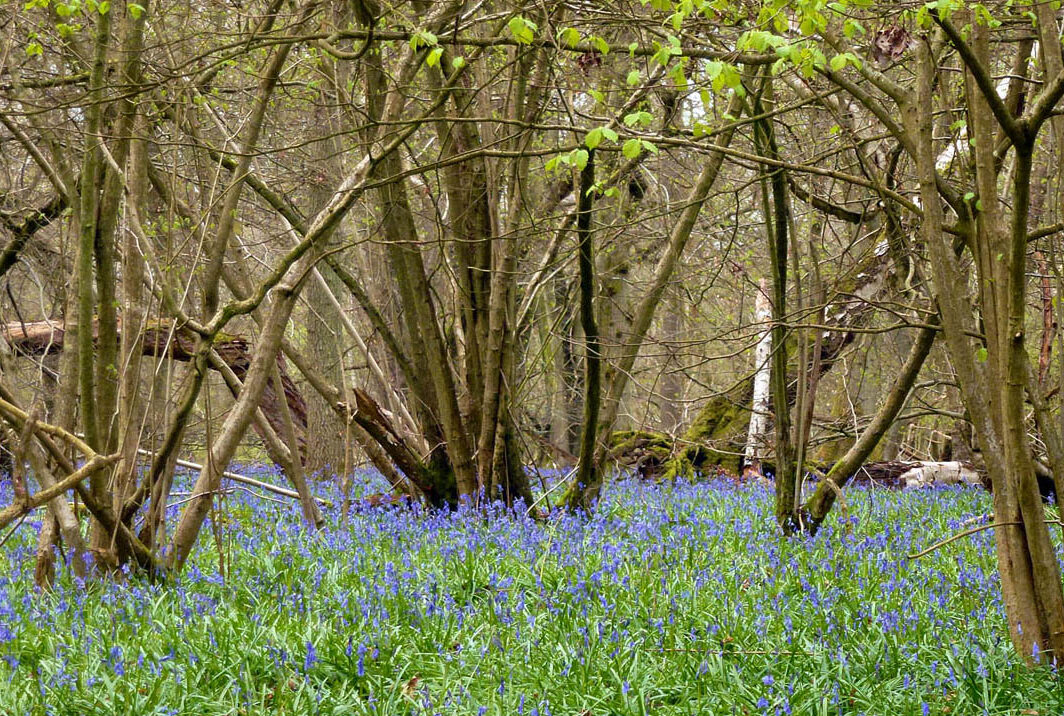
This workshop introduces to coppicing and pollarding as organic silvicultural practices that address challenges and increase productivity.
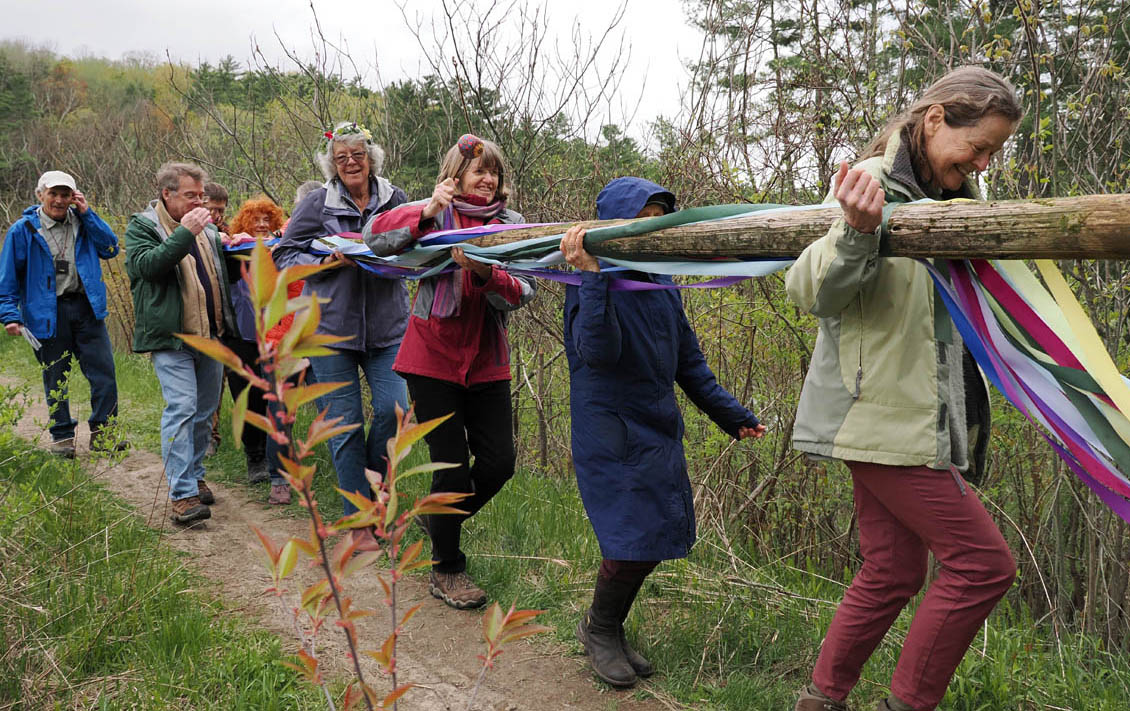
all photos by Jonathan Blake The delicate white blossoms of Amelanchier canadensis (also called serviceberry, shadbush, shad blow) herald spring in Vermont’s forests. On the shores of Norton Brook Reservoir, at the lands of The Watershed Center in Bristol, they also herald the return of our annual Beltane celebration. Cosponsored by Vermont Family Forests and The Watershed Center, the annual Beltane gathering …